
Pit Gallery

Technical Summary
Technical Summary
Technical Summary
Class A licensed pit, unopened, located south of the Wasi River. Annual tonnage limit: 500,000 tonnes (as per license). Site Plan Control Agreement in place. Coordinates and license/permit details available in Data Room.
Strategic Value
Technical Summary
Technical Summary
Proximity to Highway 11 / regional projects. Anticipated access improvements (interchange/underpass) strengthen future logistics. “Buy the before” thesis: position ahead of infrastructure upgrades.
Regulatory Docs
Technical Summary
Regulatory Docs
Primary-source pit documents and related land-use materials can be found in the Data Room. These are the same documents an operator or buyer would request at the outset.
Bridge Included*
A 70-ft, rail-grade ONR steel span is stored on site, ready for qualified installation. Think of it as connection and upside: a future crossing to the licensed extraction area or a signature feature for the property. Installation requires engineering, design, and approvals; see the Data Room for notes and an outline of typical phases. *Installation is up to you.

Riverfront
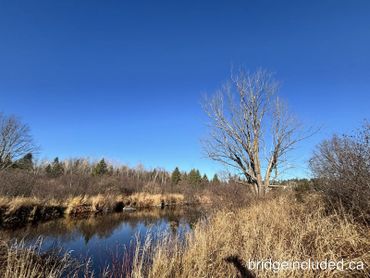
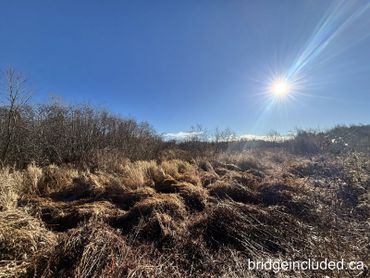
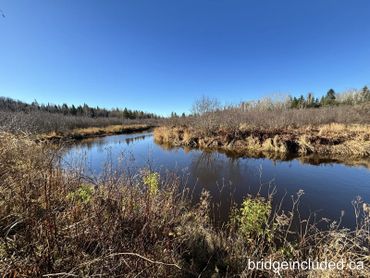
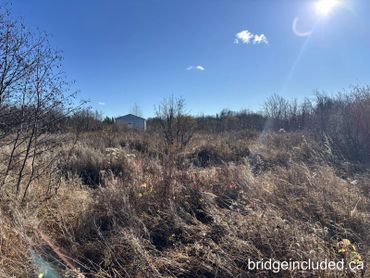
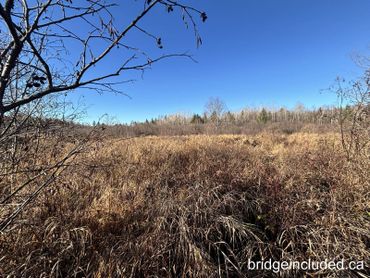
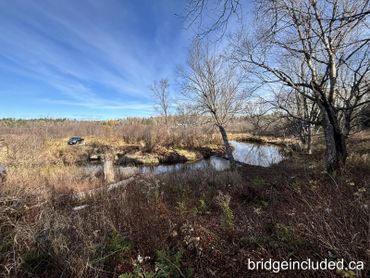
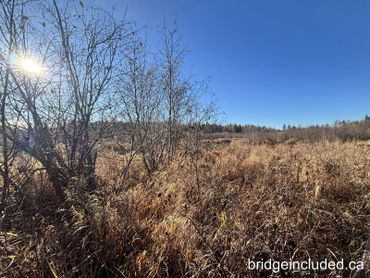
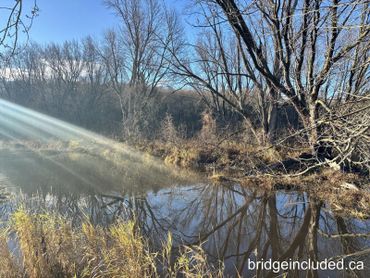
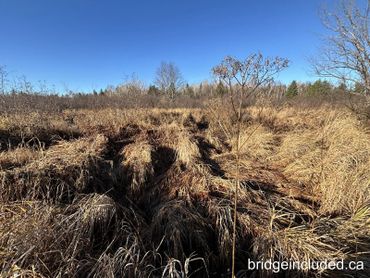
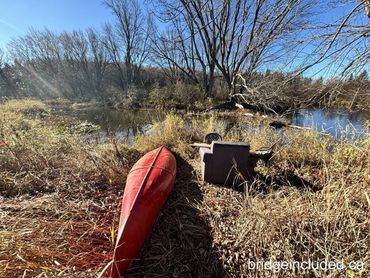
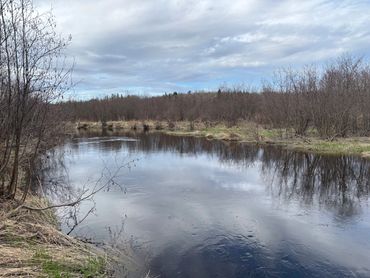
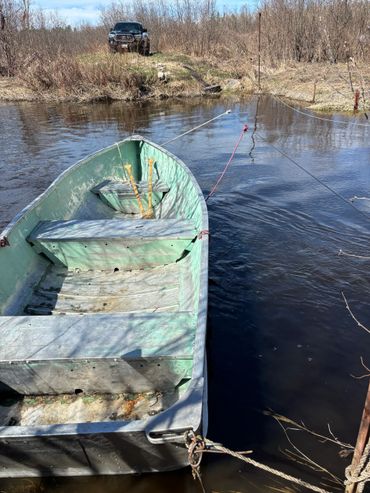
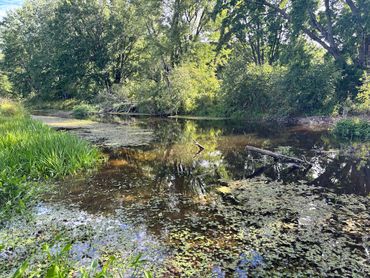
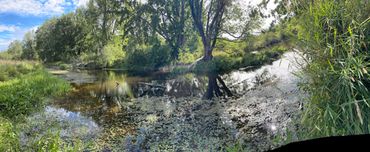
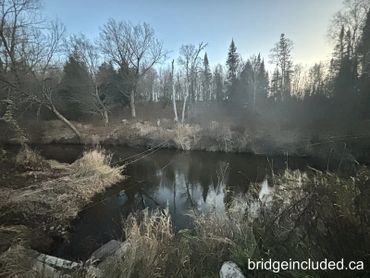
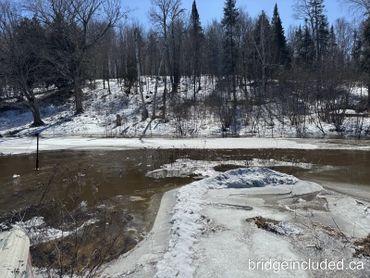
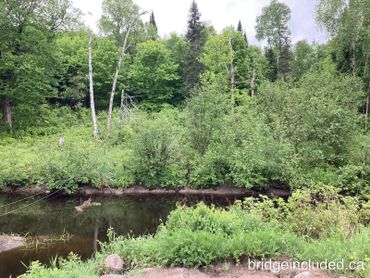
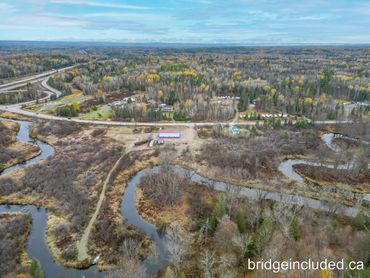
The Wasi bisects the property into North and South —quiet reaches, tree-lined banks, and winter light that turns the whole place cinematic. The river is part amenity, part orientation: a natural edge that helps organize future access, trails, or ecological set-asides. Photos here are seasonal snapshots to help you feel it.

Riverfront Gallery

Shop

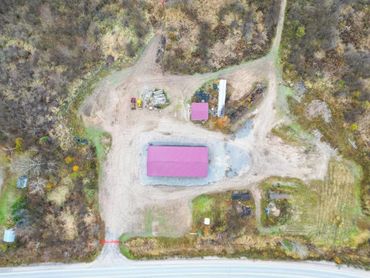
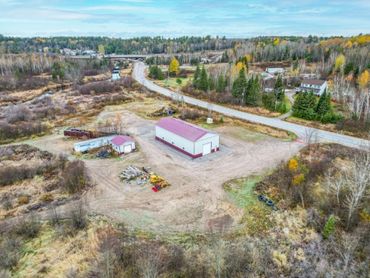
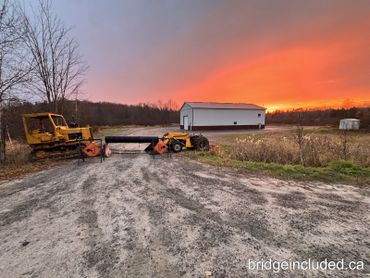
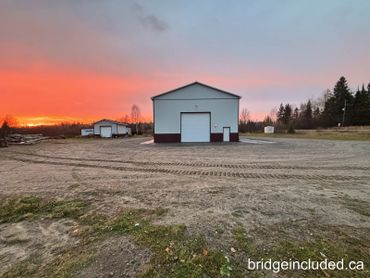
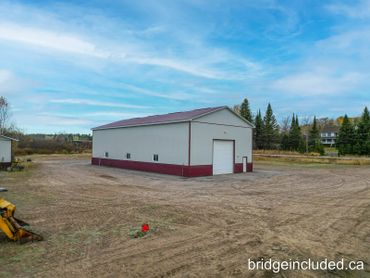
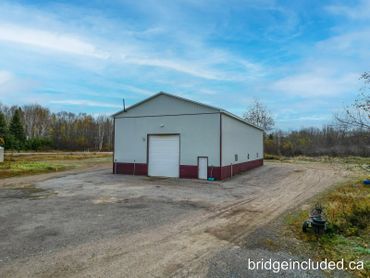
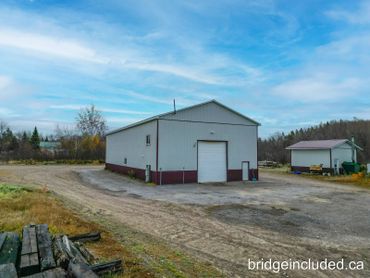
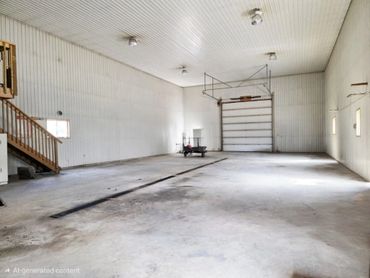
A real working shop, not a staged prop.
Steel-clad service garage of about 3,200 sq ft with metal roof and sectional overhead doors—purpose-built for equipment, storage, and year-round work. The north parcel is on year-round road access with a separate driveway, private well and septic supporting onsite uses.
Why this matters
- Big, simple volume that takes machines, pallets, and projects without drama.
- Obvious “hub” for pit support, contractor yard, or light industrial workflows.
- Pairs naturally with the duplex for live-near-work or staff accommodation.
Notes for operators & investors
- A 2014 Site Plan Control Agreement (SPCA) applies; buyers to verify current effect and scope. We’ll place primary documents in the Data Room for diligence.
Shop Gallery

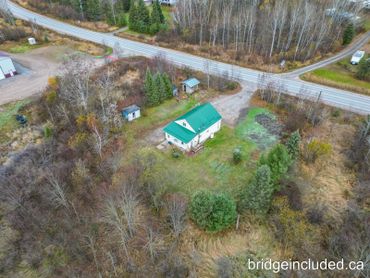
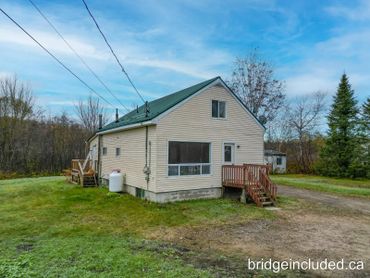
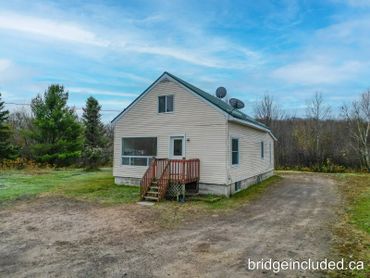
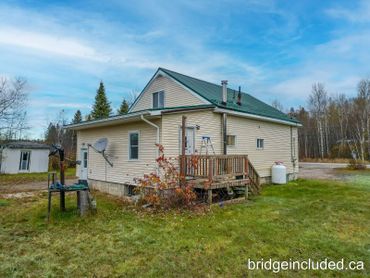
Duplex
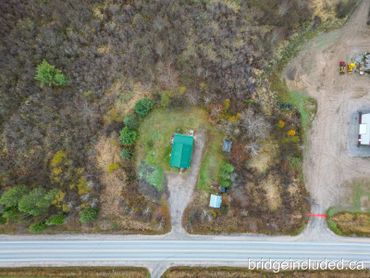
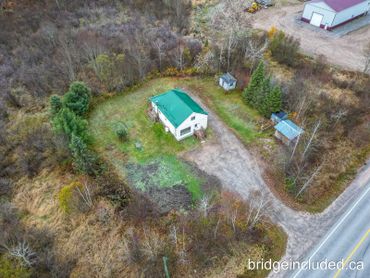
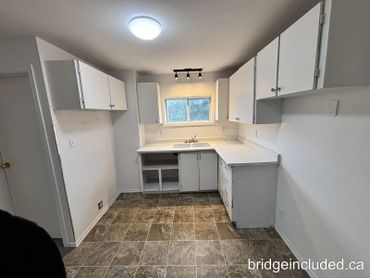
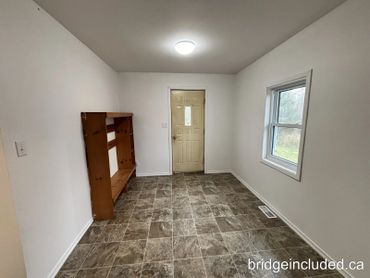
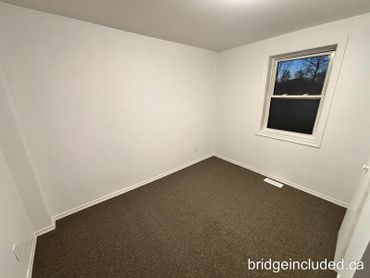
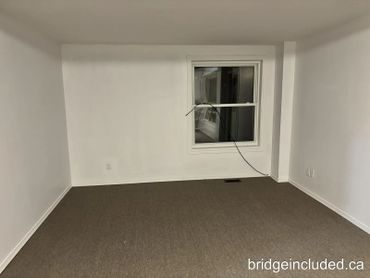
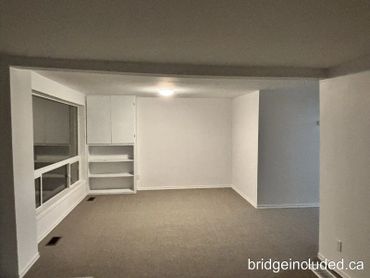
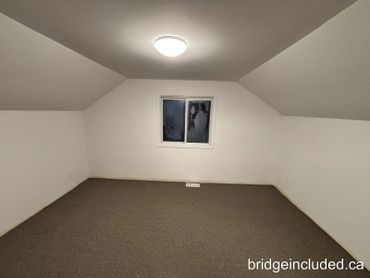
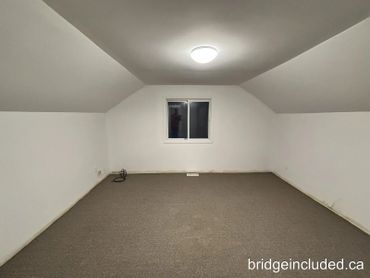
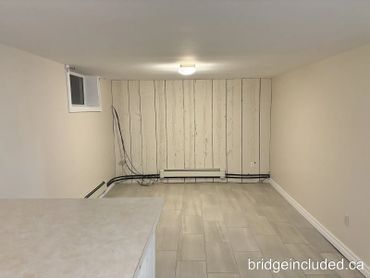
Two self-contained apartments buffered from the shop.
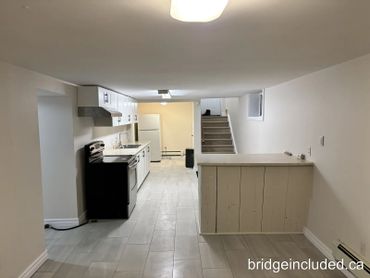
Practical, modest housing on private well and septic, set on a separate driveway off a year-round road—ideal for owner-operators, staff, or an income stream alongside industrial use.
Why this matters
- Housing on-site reduces commute friction and improves winter reliability.
- Flexibility: live-near-work, staff unit + rental, or both units as rentals.
- Vegetation and driveway separation help keep “home” and “work” distinct.
Notes
- Room sizes, floor plan snapshots, and utility notes are in the Data Room package for quick underwriting.
Duplex Gallery
Grow Gallery
Duplex Garden
Duplex Garden
Duplex Garden
Tilled garden bed beside the duplex, with room for raised beds and a small compost area.
Shop Garden
Duplex Garden
Duplex Garden
West-of-shop tilled plot — wide access for soil/mulch.
Shop Field
Duplex Garden
Shop Field
West-of-shop leveled field — ~1 acre; ideal for hoop houses along the windbreak.
Budget 2025: What It Means for Ontario's Aggregate Industry

Source: Ontario Stone, Sand & Gravel Association (OSSGA)
https://ossga.com/news/budget_2025_what_it_means_for_ontarios_aggregate_industry/
(Posted 2025-11-05)
The Liberal government’s Budget 2025, released yesterday, has major implications for Ontario’s aggregate industry. It commits $280 billion over five years to capital investments. That includes $115 billion for infrastructure, $110 billion for productivity and competitiveness, $30 billion for defence and $25 billion for housing.
The infrastructure portion of the spending is especially notable for the aggregate industry. The infrastructure funding targets core public works such as water and wastewater systems, transportation infrastructure and municipal infrastructure—all of which are aggregate-intensive. The plan also includes upgrades to airports, schools and hospitals, further boosting demand for stone, sand and gravel.
A key structural change in this budget is the federal government’s decision to table future budgets in the fall, aligning with the construction season. This shift is intended to ensure funding decisions and approvals are in place before tenders and procurement ramp up in the spring, enabling faster project delivery and a steadier pipeline of work for suppliers and skilled trades.
This streamlining, combined with the federal "Buy Canadian" policy, will benefit close-to-market suppliers and reinforce Ontario’s aggregate advantage. The $115-billion commitment supports the "Canada Strong" focus on roads, bridges, ports and housing-enabling infrastructure, offering multi-year stability for quarry operators, haulers and contractors.
For members of the Ontario Stone, Sand & Gravel Association (OSSGA), the message is clear: demand for stone, sand and gravel will rise as federal and provincial infrastructure programs accelerate. OSSGA will continue to advocate for consistent permitting, sustainable rehabilitation and streamlined approvals to ensure the sector can meet Canada’s nation-building ambitions.
On the tax side, the new Productivity Super-Deduction allows companies to immediately write off a larger share of new capital investments—including machinery, equipment and technology. Furthermore, two other notable spending commitments are the $30 billion allocated to defence and $25 billion for housing. These should both help drive demand for aggregate as more foundations are poured and runways are upgraded.
What happens next will depend on whether opposition parties support the government’s budget. As with any minority Parliament, the plan’s implementation hinges on political alignment in the House of Commons. If passed, the measures outlined in the 2025 budget could set the stage for a wave of infrastructure investment and construction activity across Canada—creating opportunities and responsibilities for the aggregate sector to help build a stronger nation.